



Car maintenance doesn’t always mean costly repairs and visits to the mechanic. Simple habits like checking tire pressure, watching the engine oil, and listening for strange noises can help you catch problems before they get worse.
This is a car maintenance guide for Wenatchee drivers with 10 must-do tasks to help you take care of your vehicle, stay current on routine maintenance, and know when to call in professional service. Whether you drive your car every day or only occasionally, these tips will help you make better decisions about its care.
10 Car Maintenance Tips Every Wenatchee Driver Should Follow
-
Stick to the maintenance schedule for your car
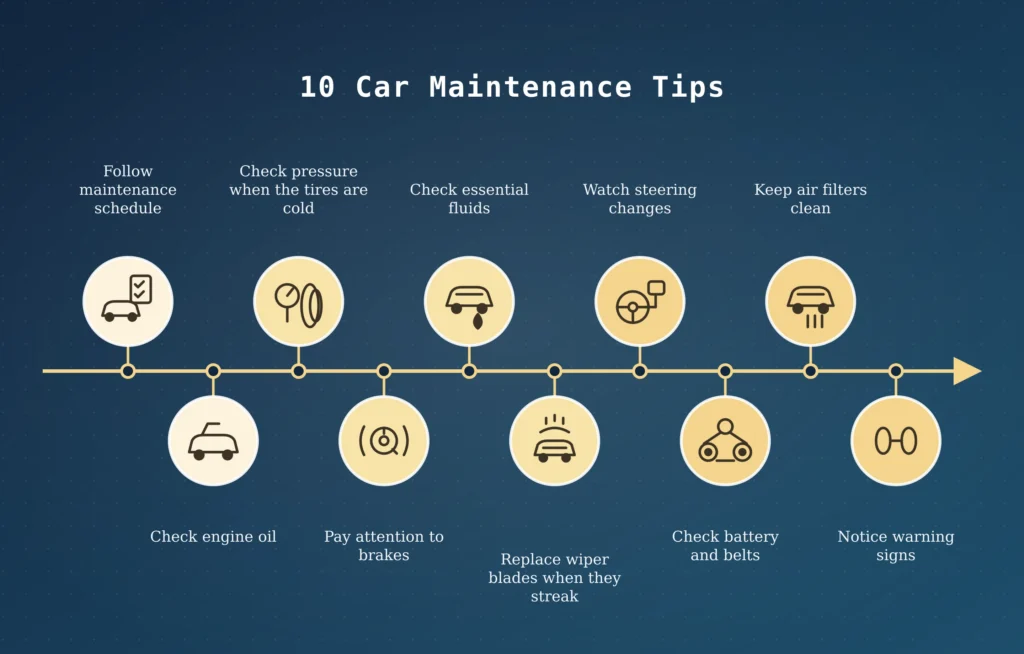
Refer to your car’s maintenance manual for information on when it requires oil changes, fluid replacements, inspections, and other routine services. The intervals differ by vehicle and driving conditions, so don’t lean on a general mileage rule. Keep your service records. They show what’s been done and what’s coming up.
-
Regularly Check Your Engine Oil
Oil lubricates the moving parts and helps in controlling heat. Check the level as your owner’s manual says. Watch for leaks and for readings that stay low. If the oil pressure warning light comes on, stop somewhere safe and follow the vehicle’s instructions. Don’t keep driving.
-
Monitor Tire Pressure and Tread
Check pressure when the tires are cold. Use the recommended pressure on the label inside the driver’s door. Look at the tread for uneven wear, cracks, and visible damage. One tire wearing faster than the rest? Have the alignment and suspension checked.
-
Pay Attention to Your Brakes
Squealing, grinding, vibration when you brake, or a sudden change in how the pedal feels can point to a brake problem. Book an inspection when you notice any of them. If braking changes a lot, stop somewhere safe and get professional help before you drive on.
-
Check Essential Fluids
Check your car’s coolant and brake fluid levels regularly, and make sure the windshield washer fluid is topped up when needed. Check the levels you can reach, as your owner’s manual describes. Never open a hot cooling system. If a fluid keeps dropping, get it inspected. Topping it up again and again won’t tell you why it’s disappearing.
-
Replace Worn Wipers and Check Your Lights
Replace wiper blades when they streak or can’t clear the windshield. Make it a habit to check your headlights, brake lights, and turn signals. In rain, snow, and other low-visibility conditions, clear visibility and working lights are the most important.
-
Watch for Changes in Steering and Handling
Does the car pull to one side? Does the steering wheel sit crooked when you drive straight? The cause could be bad alignment, uneven tire pressure, or worn steering parts. Hit a pothole or a curb? Notice whether the handling feels different afterward, and book an inspection if it does.
-
Check Your Battery and Belts
Slow cranking, trouble starting, or visible corrosion on the battery can point to a battery or charging-system problem. Look at the belts you can see for cracks or fraying. Never reach into the engine compartment while the engine is running. Ask a technician to inspect any damage.
-
Keep Your Air Filters Clean
The engine air filter helps prevent dirt from entering the engine, while the cabin air filter helps clean air entering the passenger compartment. Check the replacement intervals in your owner’s manual. Dusty driving conditions may mean certain filters need attention sooner.
-
Don’t Ignore Warning Lights or Unusual Noises
Warning lights, odd noises, burning smells, and new vibrations can all be signs of a problem developing.
Check your owner’s manual to know what each light means and how urgent it is. If the engine gets hot, or if an oil pressure warning light comes on, get off the road safely and take the recommended steps.
Turn These Tips Into a Simple Car Maintenance Checklist
A car maintenance checklist keeps routine tasks organized. You don’t have to rely on memory.
- Regularly: Check tire pressure, look for visible tire damage, and test your exterior lights.
- Between services: Monitor engine oil as recommended, and look for fluid leaks.
- At scheduled intervals: Book oil changes, filter replacements, and other manufacturer-recommended maintenance.
- When problems appear: Get unusual noises, warning lights, steering changes, and braking concerns checked promptly.
The right schedule depends on the age, mileage, and driving conditions of your vehicle. Keep a record of services provided. It’s easier to plan for future maintenance.
What Affects Your Car Service Cost?
Your car service cost depends on the vehicle, the parts it needs, the labor, and whether it’s routine maintenance or a repair. An oil change and a brake repair, for example, cost very different amounts.
To plan your budget, follow the manufacturer’s maintenance schedule, and ask for an estimate before you approve extra work. An inspection turns up another problem? Ask what needs attention, how urgent it is, and what repair options you have.
A regular car maintenance service can catch developing problems before they escalate into larger repairs. But it cannot stop every mechanical breakdown.
When Should You Visit a Professional?
Basic checks help you keep an eye on your vehicle. A professional inspection is still something they can’t replace. Schedule service when maintenance is due, or when you notice changes in braking, steering, engine performance, or tire wear.
Looking for Auto Maintenance & Repair in Wenatchee? Alignment Pros & Express Lube provides oil changes, wheel alignments, brake repair, tire service, suspension work, and preventive maintenance. A technician can look at your vehicle and tell you what services it needs.
Keep Your Vehicle Ready for the Road with the Right Car Maintenance Guide
Regular checks help you spot problems, stay on schedule, and make informed repair decisions. Treat this car maintenance guide as a starting point. Check your vehicle manufacturer’s recommendations for specific maintenance intervals.
Does your car need an oil change, an alignment, or a brake inspection? Contact Alignment Pros & Express Lube to talk through what your vehicle needs. Visit our official website for service information and contact details.
FAQs
-
How often should I get my car serviced?
Follow your owner’s manual. Service intervals vary with the vehicle, its mileage and age, and your driving conditions.
-
What car maintenance can I do myself?
Tire pressures can be checked, any visible tire wear checked, lights tested, wiper blades replaced, and fluids checked.
-
What car maintenance must you never miss?
Regular oil changes, tire checks, and mandatory inspections should be carried out. If there are serious warnings or issues with the brakes, then these should be addressed.
-
How can you prevent unexpected repair costs?
Following the maintenance schedule, paying attention to any odd issues, addressing any possible issues early on, and asking for repair quotes.
-
In what situations should I take my car to a mechanic?
If there are constant warning lights, leaking fluids, odd noises, irregular tire wear, or issues with braking and steering, then you should book your car in for an inspection.
 General
Is Your Car Pulling to One Side? Signs You Need a Wheel Alignment in Wenatchee
If you have to keep nudging your car back into a straight line, don’t automatically blame…
Read Guide
 General
Why Is My Car A/C Not Blowing Cold? Common Causes & Auto Repair in Wenatchee
Warm air from the A/C is annoying. Warm air after you’ve already paid for an A/C…
Read Guide
 General
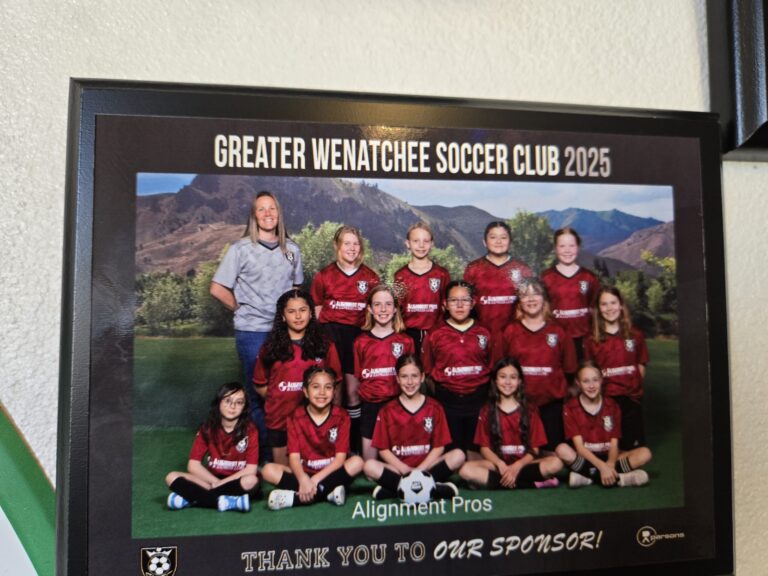
Alignment Pros & Express Lube – Proud to support our Community
At Alignment Pros & Express Lube, community isn’t just where we do business — it’s who…
Read Guide