

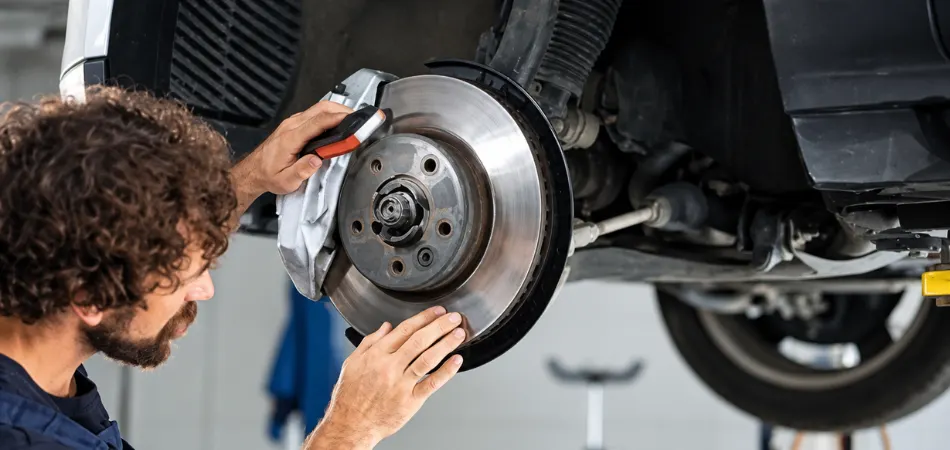
The cost and extent of brake repairs often depend on how early a problem is caught. A worn brake pad is one thing; leaving it until it damages other components can mean a more involved repair.
You might notice a squealing sound, a change in pedal feel, or a vibration when slowing down before the problem becomes more serious. Know these early warning signs and you can arrange brake repair Wenatchee WA before a small issue turns into a big one. Here are seven signs your brakes need attention.
7 Warning Signs Your Brakes Need Attention
-
Squealing or Grinding When You Brake
If you hear a high-pitched squeal when you apply the pedal, it could be an indication that the pads are wearing out. Some pads have wear indicators that make this noise to tell you they need attention.
Grinding is worse. It can mean the pads are worn through, and metal is rubbing on metal. Keep driving like that, and you can damage the rotors and push up the repair bill. If you hear grinding, don’t drive the car. Get it inspected.
-
Your Brake Pedal Feels Different
Note any sudden change in pedal firmness, any sinking toward the floor, or extra effort needed to press the pedal. That can point to brake fluid problems, air in the hydraulic system, or failing components.
A pedal that feels unusually firm can also mean trouble. Pedal feel directly affects how well you stop, so don’t wait for it to get worse. If the pedal sinks, braking feels weak, or the car is hard to stop, pull over safely and get professional help.
-
Your Steering Wheel or Car Vibrates When Braking
Does your car’s steering wheel vibrate when you decelerate from highway speeds? Do you feel a pulsing through the pedal?
These can come from uneven rotor surfaces, excessive rotor runout, or other brake and suspension issues. You can’t always tell the cause from the vibration alone, so get it inspected. If you feel the shaking return, don’t just brush it aside, particularly if it intensifies.
-
Your car pulls to one side when braking
If the car skews to the left or right when you brake, one side of the braking system might not be working properly. This can be caused by a sticky caliper, uneven brake force, or a bad brake hose.
Tire pressure and suspension problems can also affect how a car tracks, so pulling doesn’t automatically mean the brakes. Still, if it pulls every time you brake, have it checked soon. Sudden or severe pulling can make the car harder to control.
-
Your Car Takes Longer to Stop
You know how your car normally responds. If you find that you’re taking longer to slow down, or you have to apply more force than normal, something is affecting the effectiveness of your brake system.
The issue may be worn brake pads, hydraulics, or another part. Don’t just leave more space and carry on as usual. If braking has clearly gotten worse, stop driving when it’s safe and arrange an inspection or roadside assistance.
-
The Brake Warning Light Comes On
Don’t ignore a brake warning light just because the car still seems to stop fine. Depending on the vehicle, it may mean low brake fluid, an engaged parking brake, or a problem in the braking system. An ABS warning light can point to a separate issue with the anti-lock system.
Check your owner’s manual for what the specific warning means, but don’t assume it’s harmless. If the red brake light stays on after you’ve released the parking brake, or braking performance changes, pull over safely and get professional help.
-
Burning Smell When Braking
If you have to brake a couple of times and then smell something burning, this could mean your brakes are getting too hot. It can happen on long downhill runs, or after heavy braking. It can also point to a sticking caliper or another part that isn’t releasing properly.
If the smell lingers, you see smoke, or braking changes, pull over somewhere safe and leave the car parked. Don’t touch the brakes or wheels. They can be extremely hot. Don’t keep going on the trip; get help.
What Happens When You Ignore Early Brake Problems?
Brake parts wear down with use, but putting off repairs can cause more damage. Pads that wear too far can ruin the rotors, turning a simple pad replacement into a bigger job.
A caliper or brake fluid problem can also hurt braking and put extra strain on other parts. The longer it goes unchecked, the harder it is to know what else has been affected.
Get the brakes inspected when you first notice a change. It doesn’t guarantee a smaller repair, but it gives you a chance to deal with the issue sooner.
How to Make Your Brakes Last Longer
Driving habits can have a big effect on brake wear. A few simple habits can help your brakes last longer.
Avoid unnecessary hard braking and slow down gradually when possible.
- Make sure to leave proper distance from the cars ahead: This helps avoid sudden braking.
- Stick to your maintenance plan: It is described in the vehicle owner’s guide.
- Pay attention to new noises or changes: Don’t wait for squealing to turn into grinding, or a soft pedal to get worse.
- Get unusual symptoms checked: Inspections can catch worn parts, leaks, or other developing problems.
The rate at which your brakes deteriorate will be determined by your braking frequency, car, and driving conditions. The above tips will assist, but they do not take the place of inspections.
When Should You Get Your Brakes Checked?
Book an inspection when you notice persistent squealing, vibration, uneven braking, or a warning light. If you hear grinding, feel the pedal sink, see smoke, or find the car taking much longer to stop, don’t keep driving. Pull over safely and arrange professional help.
If you’re looking for brake service in East Wenatchee, Alignment Pros & Express Lube can help assess brake concerns and work out what needs attention. If you also need car repair Wenatchee WA, let us know what symptoms you are noticing and when they happen. This allows the technician to narrow down what is wrong and suggest the proper repair.
FAQs
-
How often should brake pads be replaced?
There is not one interval for each vehicle. The lifespan of your pads depends on the type of pad, your driving habits, traffic, and road conditions. Have them inspected regularly and replace them when they reach the manufacturer’s wear limit.
-
Can I drive if my brakes are squealing?
A light squeal could be worn pads or something else that needs to be looked at. Schedule an inspection soon. If you hear grinding or notice reduced braking performance, don’t keep driving.
-
Why does my car shake when I brake?
Vibration can be caused by rotor problems, uneven braking, or other part problems. You need an inspection to find the cause, especially if the shaking keeps happening or gets worse.
-
How do I know if my brake rotors need replacing?
Wear below the manufacturer’s minimum thickness, or deep grooves or cracks, may require replacement. A technician can inspect them and decide whether resurfacing is appropriate or replacement is needed.
Conclusion
Brakes often give you a warning before a small problem turns serious. A squeal or grind, a different pedal feel, vibration, pulling, longer stopping distance, a warning light, or a burning smell are all signs worth taking seriously. Checking early gives you a chance to deal with the issue sooner, even though it can’t promise a smaller repair.
Some signs mean you should stop driving: grinding, a sinking pedal, smoke, or braking that is clearly weaker. Pull over safely and get help. For other signs, book an inspection soon instead of waiting. If you need brake repair Wenatchee WA, Align Pros & Express Lube can look into the cause and help you understand what needs attention.
Heard or felt something odd when you brake? Tell us what happens and when, and we’ll help you find out what your brakes need.